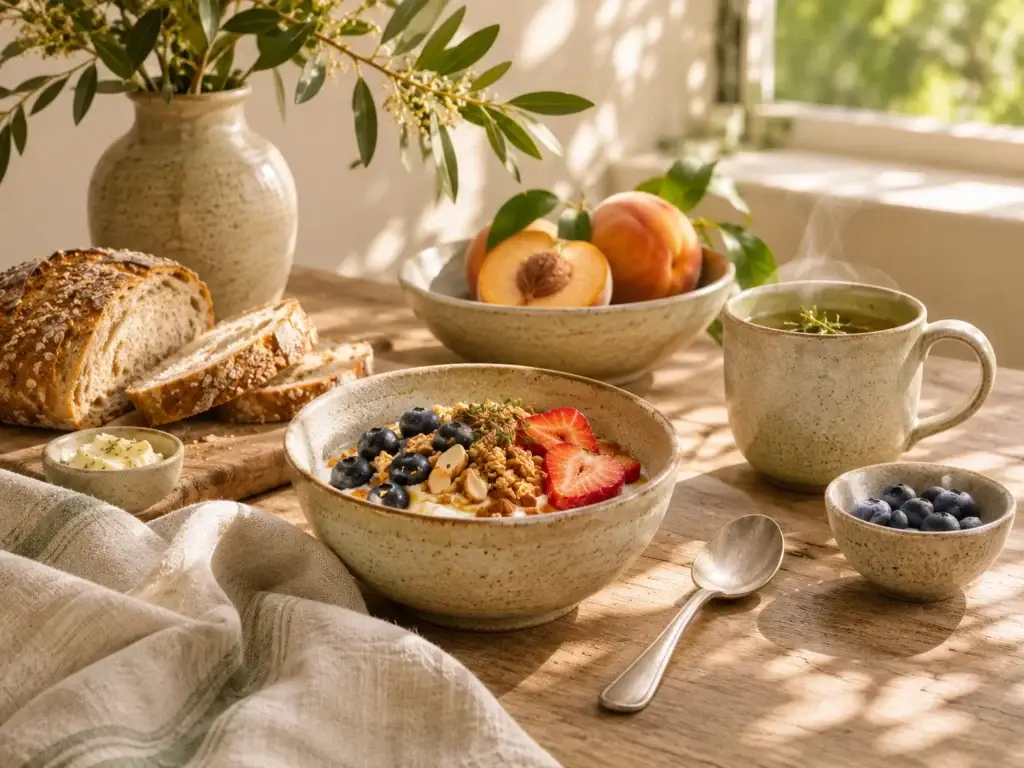


With so much nutrition information available, it can be difficult to know what balanced eating actually means. Social media, diet trends and conflicting advice can make something as natural as eating feel unnecessarily complicated.
The good news is that balanced eating doesn’t have to follow a rigid formula. It can be flexible, enjoyable and uniquely yours.
Think variety, not perfection
Different foods provide different nutrients that help support your body. Including a variety of fruits, vegetables, grains, protein sources and fats can help you meet your nutritional needs.
But not every meal needs to include everything. Your overall eating patterns matter more than any individual meal.
Make room for satisfying foods
Nourishment includes more than vitamins and minerals. Feeling satisfied after eating is important, too.
Including foods you genuinely enjoy can help make meals more fulfilling and support a more peaceful relationship with food.
Remember that convenience counts
Fresh, frozen, canned and prepared foods can all have a place in a balanced approach to eating.
Sometimes a simple sandwich, a bowl of soup or leftovers from the night before is exactly what fits your day. Nourishment doesn’t have to be elaborate.
Honor your individual needs
Your nutritional needs may be influenced by your health, lifestyle, activity level, culture and personal preferences.
What works for someone else may not be the best approach for you. Individualized nutrition guidance can help you better understand what your body needs.
Embrace flexibility
Some days will look different from others. Celebrations, busy schedules, travel and changing appetites are all natural parts of life.
Balanced eating isn’t about controlling every choice. It’s about creating an approach to nourishment that can adapt alongside you.
You deserve a relationship with food that feels supportive, satisfying and sustainable — without the pressure of perfection.